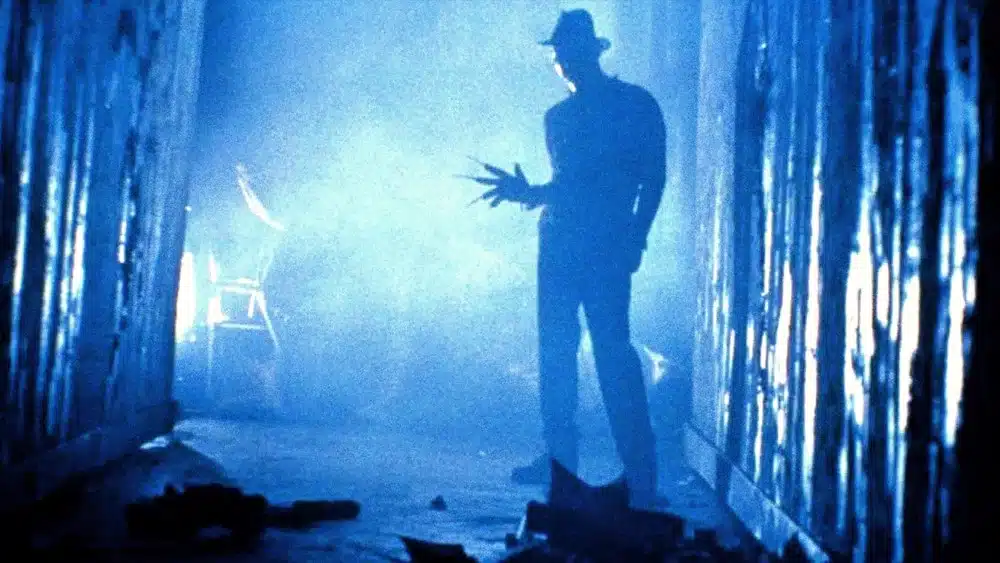
Freddy Krueger is one of horror’s greatest icons, and the A Nightmare on Elm Street series gave us some of the most creative, surreal and downright gruesome kills in horror history.
The A Nightmare on Elm Street franchise has produced some of horror’s most unforgettable sequels, but not every Freddy Krueger movie is created equal. Here we have the original six A Nightmare on Elm Street movies ranked, from the weakest entry to the undisputed classics that audiences still love today.
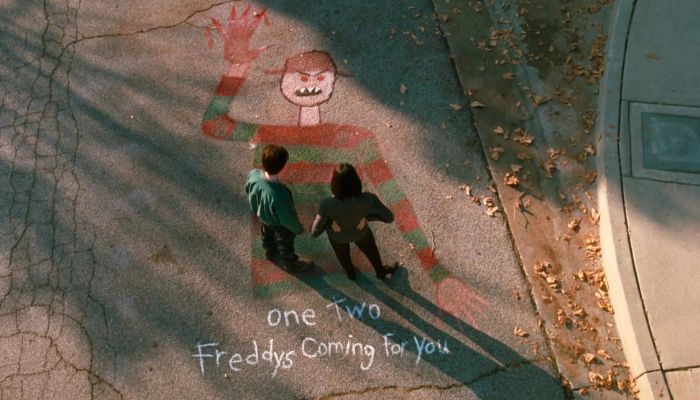
Freddy’s Dead: The Final Nightmare (1991)
This was meant to be Freddy Krueger’s big send-off, complete with outrageous kills and a flashy 3D finale.
Instead, it landed flat. The movie is overly silly, the story is forgettable and the final stretch never delivers the celebration the franchise deserved.
Favorite Kill: Carlos and the hearing aid
Freddy turns Carlos’ enhanced hearing into torture, cranking up every tiny sound before finishing him with one deafening explosion.
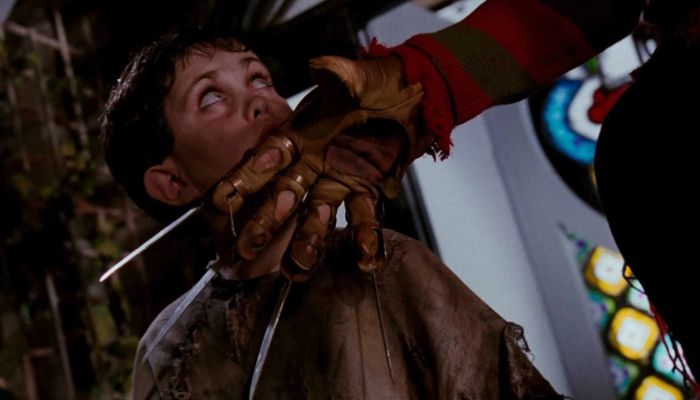
A Nightmare on Elm Street 5: The Dream Child (1989)
The idea of Freddy using an unborn child’s dreams should have produced one of the darkest entries in the series.
Unfortunately, the execution feels muddled. The movie has striking visuals and a few memorable effects, but it leans too heavily into Freddy’s one-liners and loses much of the menace that made him frightening.
Favorite Kill: Dan’s motorcycle transformation
Freddy fuses Dan’s body with the motorcycle piece by piece, turning flesh, wires and metal into one gnarly practical-effects showcase.
Runner-Up: Greta’s feeding death
Freddy force-feeds Greta until her face swells in one of the movie’s nastiest and most visually effective scenes.
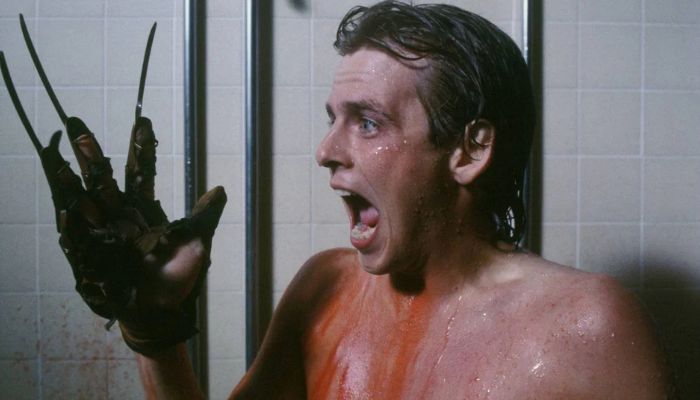
A Nightmare on Elm Street 2: Freddy’s Revenge (1985)
Freddy’s Revenge abandons the dream-stalker formula and gives Freddy a new plan: possess Jesse Walsh and use his body to enter the real world.
That possession angle makes the sequel feel disconnected from the original, but it also gives the movie a personality unlike anything else in the franchise. Over time, it has become much easier to appreciate its strange atmosphere, bold themes and willingness to take risks.
That changing reputation is also why I took a deeper look at Freddy’s Revenge and the unforgettable night I first watched it.
Favorite Kill: The pool-party massacre
Freddy charges into the real world and unleashes total chaos with fire, electrocution and slashing across the backyard party.
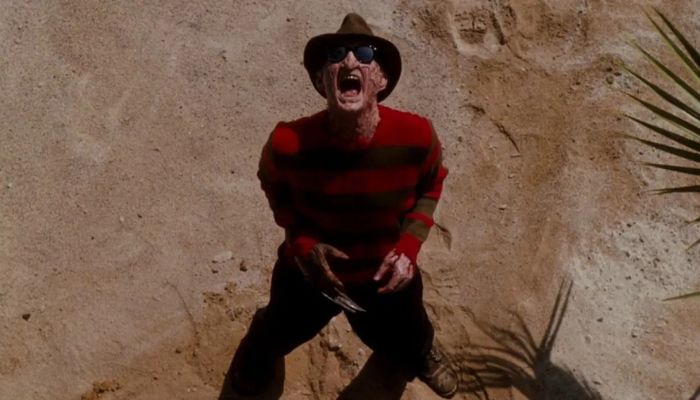
A Nightmare on Elm Street 4: The Dream Master (1988)
The Dream Master is not the scariest movie in the franchise, but it may be one of the easiest to revisit.
Its bright colors, energetic pacing, MTV-era soundtrack and elaborate effects make it a blast of pure late-1980s horror. Freddy has become more of a showman by this point, but the movie surrounds him with enough visual imagination to keep things moving.
Favorite Kill: Debbie’s cockroach transformation
Debbie slowly transforms into a giant roach trapped inside a sticky motel-style insect trap. It is disgusting, bizarre and packed with excellent effects.
Runner-Up: Sheila’s classroom death
Freddy literally sucks the breath from Sheila in broad daylight, leaving behind one of the sequel’s creepiest images.
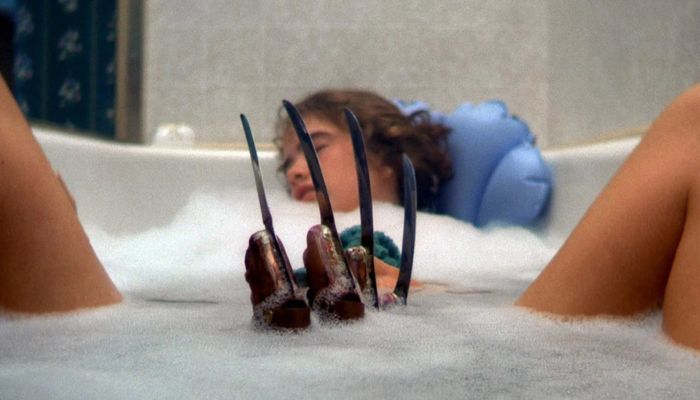
A Nightmare on Elm Street (1984)
Wes Craven’s original still stands tall as one of the defining horror movies of the 1980s.
It is dark, grimy and genuinely unsettling. Freddy remains mysterious and frightening, while the boundary between dreams and reality becomes less reliable with every scene.
The later sequels expanded the mythology and made Freddy a pop-culture superstar, but the original captures him at his most sinister.
Favorite Kill: Glen’s blood geyser
Freddy pulls Glen through the bed before an impossible fountain of blood erupts across the ceiling. It remains one of horror’s most iconic death scenes.
Runner-Up: Tina’s ceiling death
Watching Tina dragged up the wall and across the ceiling while Rod can do nothing to help her is still terrifying.
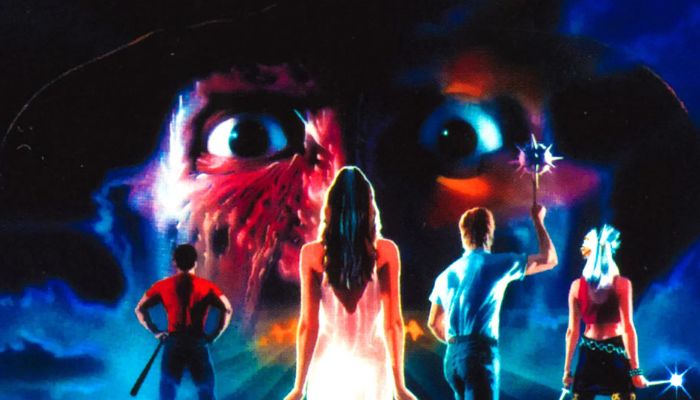
A Nightmare on Elm Street 3: Dream Warriors (1987)
Dream Warriors takes everything that worked in the original and expands it into something bigger, stranger and more entertaining.
The movie restores the connection to Nancy Thompson, gives Freddy a memorable group of young opponents and fully explores the limitless possibilities of the dream world.
Its characters matter, its kills are imaginative and Robert Englund finds the ideal balance between terrifying monster and darkly funny showman. This is the sequel where the franchise’s mythology, creativity and personality all come together.
It also earned a place among my picks for the essential horror sequels of the 1980s and 1990s.
Favorite Kill: Philip’s marionette death
Freddy pulls out Philip’s veins and uses them like puppet strings, forcing him across the hospital and off the side of the building. It is one of the best kills in the entire series.
Final Thoughts
Not every original Nightmare on Elm Street movie hits the mark, but the franchise still shines because its strongest entries are so memorable.
Out of these six films, the original, Dream Warriors and The Dream Master stand above the rest. Those three alone are enough to make Elm Street one of my favorite horror franchises to revisit.
Freddy’s Revenge has also improved with age, while even the weaker sequels contain at least one wild effect or creative kill worth remembering.
For another trip through a legendary slasher franchise, check out my full ranking of the Friday the 13th movies from worst to best.