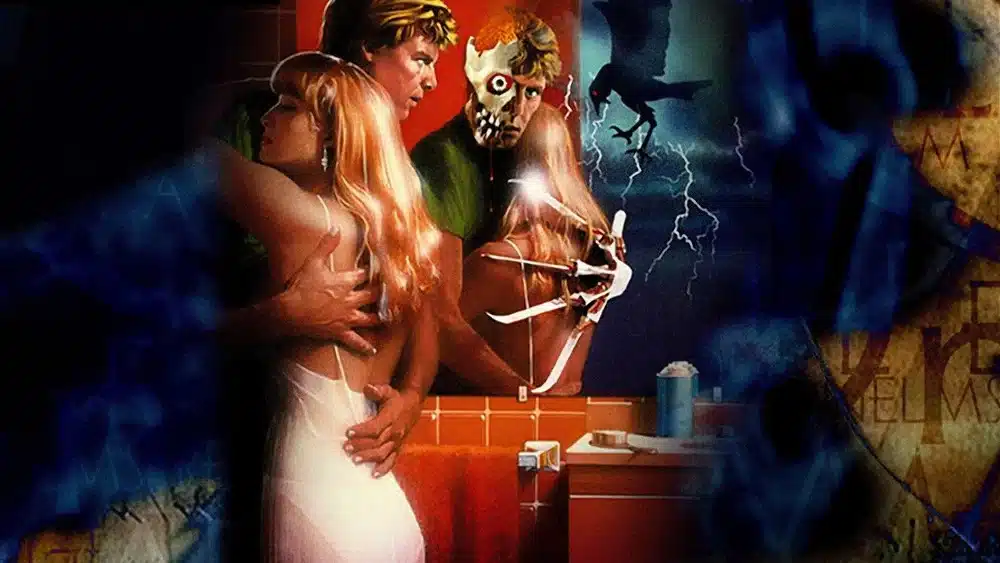
A Nightmare on Elm Street 2: Freddy’s Revenge stepped out of the shadow of its groundbreaking predecessor in 1985, and immediately divided horror fans.
The sequel faced the difficult task of following one of the most inventive horror movies of the decade. Instead of repeating the original formula, it took Freddy Krueger out of his familiar dream-world playground and placed him inside the body and mind of a teenage boy.
Initially dismissed as a strange and disappointing follow-up, Freddy’s Revenge has undergone a remarkable transformation. What was once considered the oddball entry in the franchise is now recognized as a bold, fascinating cult classic.
If you’re revisiting the Elm Street series, don’t miss our complete ranking of every A Nightmare on Elm Street film to see where Freddy’s Revenge lands.
A Departure From the Dream World
One of the biggest criticisms aimed at Freddy’s Revenge was its decision to move Freddy beyond the confines of the dream world.
Fans of the original were accustomed to watching him stalk his victims through surreal nightmares. In the sequel, Freddy wants to possess Jesse Walsh and use his body to enter the waking world.
That shift raised plenty of eyebrows. It also gave the sequel an identity entirely its own.
Rather than replaying Nancy Thompson’s battle from the first movie, Freddy’s Revenge becomes a story about losing control of your body, hiding parts of yourself and fearing what might break free.
Freddy isn’t simply trying to kill Jesse. He wants to become Jesse.
The Rise of the Male Scream Queen
Another bold decision was placing Jesse Walsh at the center of the story.
Played by Mark Patton, Jesse displays many of the characteristics traditionally associated with the female “final girl” or scream queen. He is frightened, vulnerable and increasingly desperate as Freddy’s influence grows stronger.
That unconventional approach broke away from the typical macho male heroes found in many 1980s horror movies.
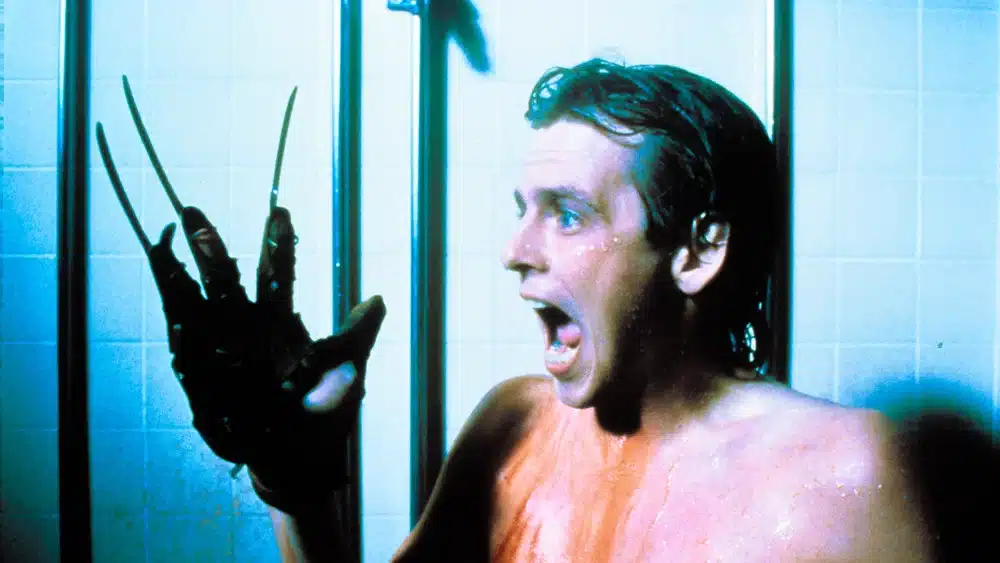
Jesse doesn’t charge into battle with a weapon and a clever one-liner. He screams. He cries. He seeks help. His fear and vulnerability give the movie an emotional quality that separates it from every other entry in the franchise.
The Subtext That Changed the Movie’s Legacy
The film’s portrayal of Jesse, along with his relationships and struggle for control, has inspired years of discussion about its queer subtext.
Those themes were not openly promoted when the movie arrived in theaters. Over time, however, they became an important part of how audiences understood and reassessed the sequel.
What some viewers once dismissed as awkward or unusual is now considered central to the movie’s identity.
That willingness to explore fear, repression and identity has helped Freddy’s Revenge find a passionate audience. It has also made Jesse Walsh one of the most discussed characters in the entire Nightmare on Elm Street series.
My First Night With Freddy’s Revenge
A Nightmare on Elm Street 2: Freddy’s Revenge was released in theaters in late 1985, but I didn’t see it until it arrived on video in 1986.
It was the night of my final day of fourth grade. I had been invited to a sleepover at my best schoolmate’s house, and his mother had recently moved into a two-floor condo.
She took us to the video store and allowed us to choose two movies.
We selected Poltergeist II: The Other Side and A Nightmare on Elm Street 2: Freddy’s Revenge.
Boy, were we excited.
We were excited about the movies, of course, but we may have been even more excited about hanging out together without having to worry about school the next morning.
We turned off the lights and started the night with Freddy’s Revenge.
The Sleepover Goes Off the Rails
Between building a pillow fort, playing tag in the dark and his mother repeatedly coming into the room to tell us to quiet down, we didn’t actually see much of the movie.
By the time we put Poltergeist II into the VHS player, we were about five minutes away from passing out.
Almost immediately after pressing play, that is exactly what we did.
The following morning, we sat at the kitchen table for breakfast. His mother prepared scrambled eggs and sausage.
Mmm. Delicious.
As I ate, I suddenly remembered something important: although eggs tasted good, they had a habit of turning my stomach.
His mother asked how breakfast was.
“Good,” I replied.
So Bad I Puked?
After the plates were cleared, my friend and I started playing tag in the living room.
Because the condo was new, the room didn’t have any furniture yet. There were only clean white walls and a lush, cream-colored carpet.
In other words, it was a great open space for two fourth graders to run around in—and possibly the worst place imaginable for what happened next.
Without warning, the eggs kicked in.
My stomach started rolling. My movement slowed. I became dizzy and placed one hand against the wall to steady myself.
Then I proceeded to vomit all over that spotless white wall and cream-colored carpet.
Damn. Playtime was over.
For the record, Freddy Krueger was innocent. The eggs did it.
A Cult Classic Emerges
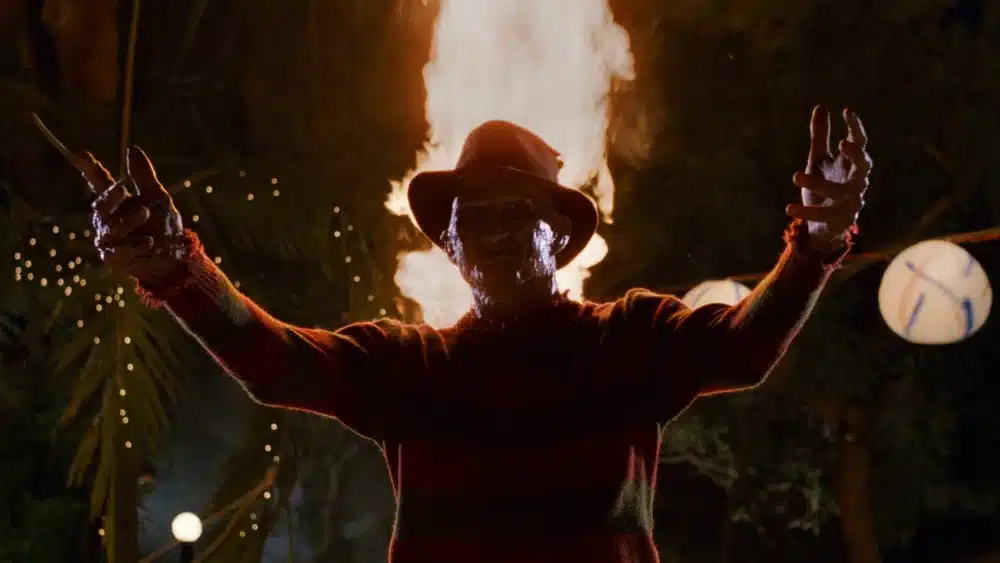
Despite its initial reception, Freddy’s Revenge gradually developed a devoted cult following.
It wasn’t the only sequel that found a second life with horror fans. Check out our picks for the best horror sequels from the ’80s and ’90s to discover more follow-ups that deserve another look.
Its unusual story, oppressive atmosphere and willingness to break the rules have given it a unique place within the Nightmare on Elm Street franchise.
It may not follow the mythology established by the original movie, but that is also what makes it so interesting. It isn’t simply another group of teenagers being chased through their dreams. It is a strange, uncomfortable story about identity, repression and the terror of losing control.
What began as a misunderstood sequel has become a cherished and frequently reassessed piece of horror cinema.
Personally, I would rather watch Freddy’s Revenge than eat another plate of eggs any day.
If classic horror is your thing, browse the VHS Vault for more reviews celebrating the unforgettable movies that once lined the shelves of neighborhood video stores.